

Take These Steps for a Warm, Safe, and Energy-Efficient Winter Season
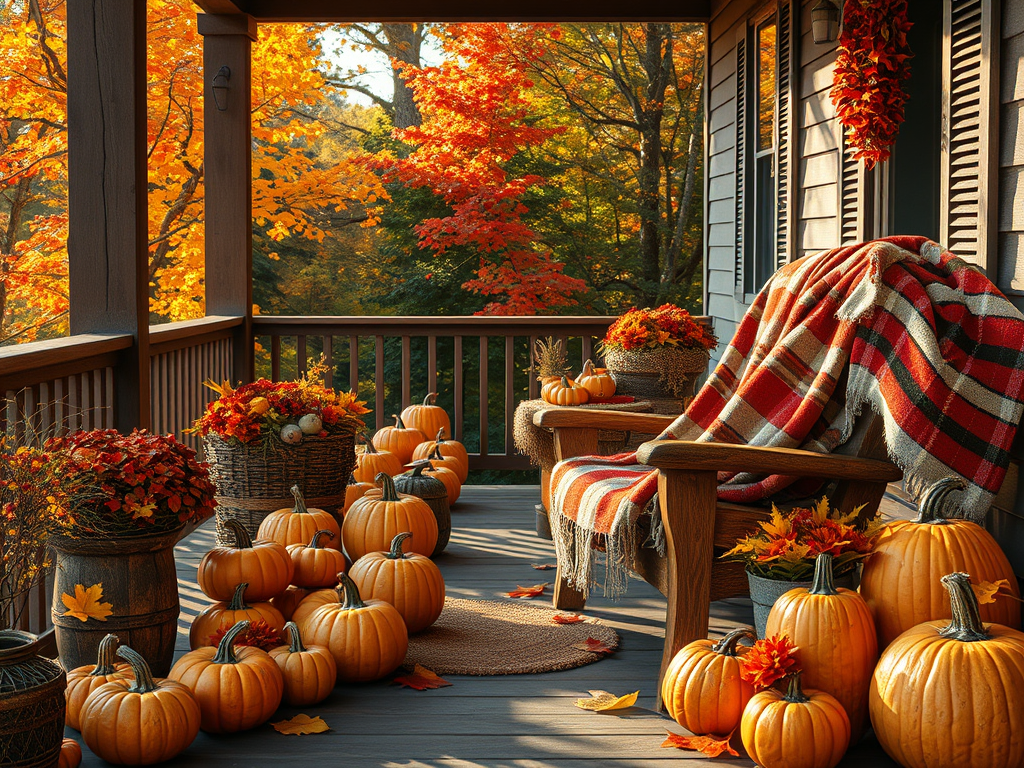
As the leaves tumble from the trees here in Lake Geneva and the days grow shorter, the signs of approaching winter are unmistakable. A well-prepared home not only promises warmth and comfort but also helps reduce energy costs and prevent unexpected emergencies. Here’s a guide to preparing your home for winter, ensuring you and your loved ones enjoy a cozy, secure, and worry-free season.
1. Inspect Your Heating System
Before the first frost bites, your heating system should be ready to perform at its best.
- Furnace Tune-Up: Schedule a professional inspection and servicing for your furnace or boiler. A technician will clean components, check connections, and ensure safe operation.
- Replace Filters: Dirty filters restrict airflow and reduce efficiency. Replace or clean filters every 1-3 months during the heating season.
- Test Thermostats: Make sure your thermostat is working properly. Consider upgrading to a programmable thermostat to help regulate temperatures and save energy.
- Inspect Vents and Registers: Clear blockages and ensure all vents are open and unobstructed for optimal heat distribution.
- Check Carbon Monoxide Detectors: Heating systems can be a source of carbon monoxide. Test detectors and replace batteries to safeguard your household.
2. Seal Drafts and Insulate
Heat loss from drafty windows and doors can significantly increase energy bills and make your home less comfortable.
- Weatherstripping: Apply weatherstripping to doors and windows to minimize drafts.
- Caulking: Use caulk to seal gaps and cracks around window frames, doorways, and where pipes or wires enter the house.
- Insulate Attic and Walls: Check attic insulation levels; add more if necessary. Proper insulation keeps warm air in and cold air out.
- Install Door Sweeps: Attach door sweeps to the base of exterior doors to prevent cold air infiltration.
- Window Insulation Kits: Consider installing shrink-film insulation on older windows for an extra barrier against heat loss.
3. Protect Your Plumbing
Frozen pipes can burst and cause costly water damage.
- Insulate Exposed Pipes: Use foam pipe insulation in unheated areas like basements, garages, and crawl spaces.
- Disconnect Outdoor Hoses: Remove, drain, and store garden hoses. Shut off and drain outdoor faucets to prevent freezing.
- Seal Gaps: Use spray foam or caulk to seal cracks where pipes enter the house to keep out cold air.
- Know Your Main Water Valve: In case of a burst pipe, you’ll need to quickly shut off the water supply. Make sure everyone in your household knows its location.
4. Roof and Gutter Maintenance
A little roof maintenance can prevent expensive repairs and protect your home from water damage.
- Inspect the Roof: Look for missing, damaged, or curling shingles and have them repaired. Check for leaks around chimneys and skylights.
- Clean Gutters and Downspouts: Remove leaves and debris to prevent ice dams, which can cause melting water to back up under the roof.
- Check Attic Ventilation: Proper attic ventilation helps prevent ice dams and condensation problems that can lead to mold and rot.
- Install Gutter Guards: Consider adding gutter guards to keep debris out and maintain proper drainage.
5. Prepare the Exterior
The outside of your property needs attention too.
- Trim Trees and Shrubs: Cut back branches that could break under the weight of snow or ice and damage your home or power lines.
- Store Outdoor Furniture: Clean and cover or bring in patio furniture, grills, and garden tools.
- Check Walkways and Steps: Repair cracked or uneven surfaces to prevent slips and falls when icy.
- Stock Up on Ice Melt and Sand: Keep supplies handy for treating driveways and walkways.
- Ensure Outdoor Lighting Works: Replace bulbs and check wiring so paths are well-lit during long winter nights.
6. Fireplace and Chimney Safety
A fireplace can be a source of warmth and comfort—if maintained properly.
- Schedule a Chimney Sweep: Have your chimney cleaned and inspected for blockages, creosote buildup, or structural issues.
- Check the Damper: Ensure the damper opens and closes fully to allow smoke out and keep cold air from entering when not in use.
- Stock Up on Firewood: Store firewood in a dry place away from the home’s exterior walls to prevent moisture and pests.
- Install a Chimney Cap: A cap prevents animals, rain, and debris from entering your chimney.
7. Emergency Preparedness
Winter storms can bring power outages and travel disruptions—be ready for anything.
- Build an Emergency Kit: Include flashlights, batteries, non-perishable food, water, blankets, and a first-aid kit.
- Backup Heating: Have an alternative heat source, such as a portable space heater, wood stove, or generator, and know how to use it safely.
- Keep Devices Charged: Make sure cell phones and portable chargers are ready in case of a power outage.
- Monitor Weather Reports: Stay informed with a battery-powered weather radio or smartphone alerts.
8. Energy and Cost Savings Tips
Small changes can make a big difference in your winter comfort and utility bills.
- Use Heavy Curtains: Close thick drapes at night to keep warmth in, and open them during sunny days to let in radiant heat.
- Reverse Ceiling Fans: Set ceiling fans to rotate clockwise at low speed to push warm air down into the room.
- Lower Thermostat at Night: Dropping the temperature a few degrees while you sleep can save energy without sacrificing comfort.
- Seal Unused Rooms: Close doors and vents in rooms you don’t use often.
Final Checklist
- Test smoke and carbon monoxide detectors
- Change furnace filters
- Inspect windows and doors for drafts
- Drain and store outdoor hoses
- Clean gutters and downspouts
- Restock emergency supplies
A little preparation goes a long way. By taking the time to winterize your home, you’ll protect your investment, save money, and create a sanctuary of comfort and safety for the season ahead. So gather your tools, make a plan, and embrace the coming winter with confidence.
 Coulman Real Estate Group