
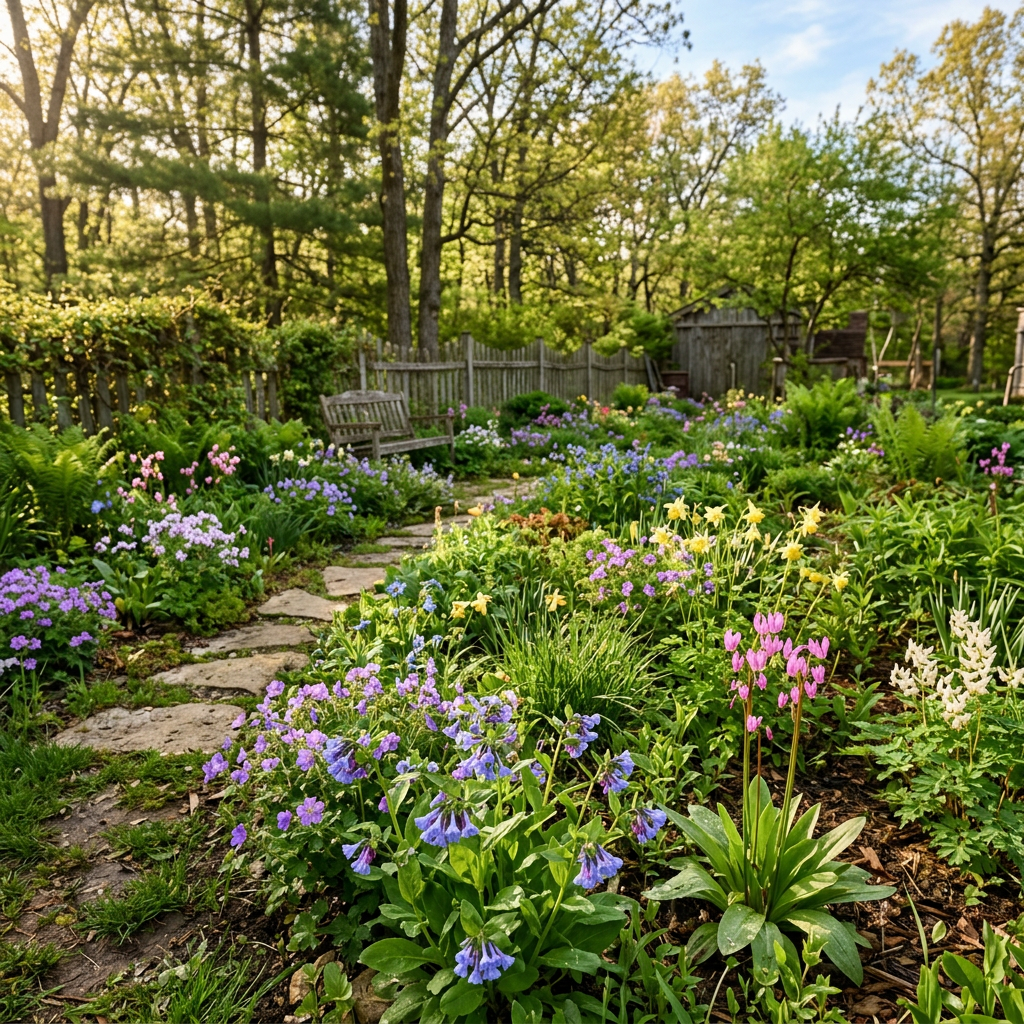
Spring has arrived in Wisconsin, and many gardeners, like myself, are eager to head to the nearest garden center to fill their yards with color. Not only colorful plants, but beautiful pollinator foliage to attract hummingbirds, butterflies, and honey bees. But before you load up your cart, take a closer look at the labels. Many big box stores still sell trees, shrubs, and perennials that can spread aggressively and crowd out native plants. I found myself purchasing burning bushes and flowering pear trees at a local home improvement retailer only to find out that these trees and bushes are invasive. They grow fast and produce berries that birds consume and release in their droppings to cause a take over of native grasses and plants. Once established, these invasive species can be difficult and expensive to remove.
To help you avoid costly mistakes, here are some common invasive plants that Wisconsin homeowners should leave off their shopping list:
- Common Buckthorn and Glossy Buckthorn
- Japanese Barberry
- Burning Bush
- Bush Honeysuckles (including Amur, Morrow’s, and Tartarian honeysuckle)
- Norway Maple
- Autumn Olive and Russian Olive
- Multiflora Rose
- Japanese Honeysuckle
- Periwinkle (vinca)
- Creeping Jenny (moneywort)
- Purple loosestrife
- Japanese Knotweed
- Flowering Pear Tree
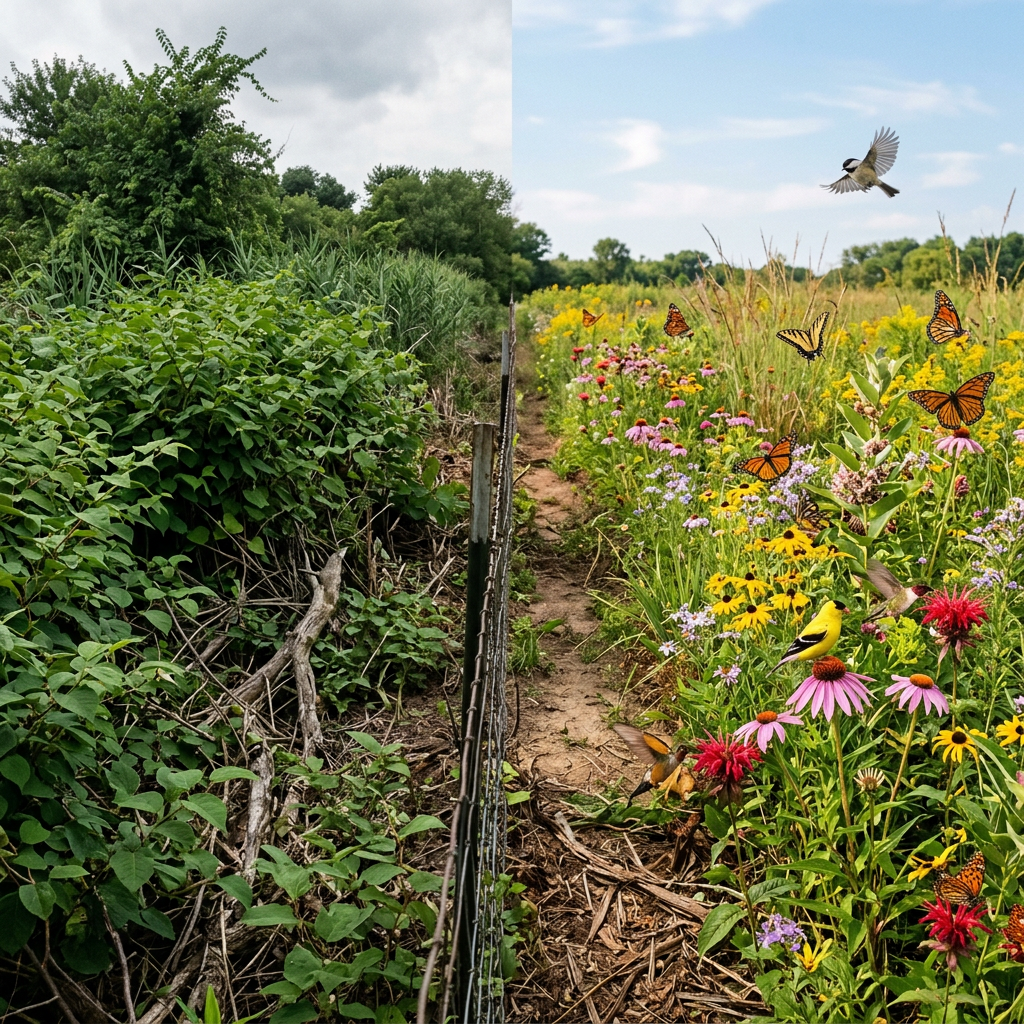
The good news is that there are many beautiful, hardy alternatives that support birds, pollinators, and healthy local ecosystems. Consider planting some of these better choices instead:
- Serviceberry (Amelanchier)
- Red Maple or Sugar Maple
- White Oak or Bur Oak
- Paper Birch
- American Elderberry
- Nannyberry Viburnum
- Red-osier Dogwood
- Black Chokeberry
- Wild Columbine
- Bee Balm (wild bergamot)
- Swamp Milkweed or Butterfly Weed
- Black-Eyed Susan
- New England Aster
- Purple Coneflower
Choosing native or well-behaved plants is one of the easiest ways to protect Wisconsin’s woods, wetlands, and neighborhoods. Before you buy, read plant tags carefully and do a quick check to make sure the species you bring home will help your landscape thrive without harming the environment. Always ask staff or your garden consultant about specific species of plants and shrubs. These suggestions align with guidance from Wisconsin Horticulture and the Wisconsin DNR.
Local Nurseries & Greenhouses
Northwind Perennial Farm | 7047 Hospital Rd, Burlington, WI 53105 northwindperennialfarm.com
Breezy Hill Nursery | 7530 288th Ave, Salem Lakes, WI 53168 breezyhillnursery.com
Pesche’s Greenhouse | W4080 State Rd 50, Lake Geneva, WI 53147 peschesgreenhouse.com
Jurg’s Greenhouse | 120 Ridge Rd, Walworth, WI 53184 jurgsgreenhouses.com
Coulman Real Estate Group
Tom Coulman | (p) 262.325.7636 | tom.coulman@compass.com


